

Trekking Equipment
Trekking Equipment
What to pack in your backpack
his checklist is designed to help you prepare your backpack in the best possible way and avoid leaving anything essential at home.
his checklist is designed to help you prepare your backpack in the best possible way and avoid leaving anything essential at home.
Abbigliamento
Attrezzature
Per più giorni
General rules:

Always check the weather forecast and choose clothing according to expected temperature and wind.

Don’t bring unnecessary items.

Keep your backpack as light as possible: a heavy pack means more fatigue, which translates into less safety (in the mountains, speed is also safety).

For any doubts or if you’d like advice, feel free to contact us through our channels.
General rules:
Always check the weather forecast and choose clothing according to expected temperature and wind.
Don’t bring unnecessary items.
Keep your backpack as light as possible: a heavy pack means more fatigue, which translates into less safety (in the mountains, speed is also safety).
For any doubts or if you’d like advice, feel free to contact us through our channels.
CLOTHING
Dress in layers
- Trekking pants
- Breathable technical underwear (base layer)
- Breathable thermal layer (in case of cold weather)
- Technical fleece
- Down jacket
- Gore-Tex jacket or similar (shell only, without insulation)
- Technical socks
- Beanie / warm hat
- Lightweight buff / neck gaiter
- Lightweight gloves
For snow treks with snowshoes add:
- Thermal base layers: Top and bottom (long-sleeved shirt and leggings).
- Water-repellent winter trousers: To keep you dry in the snow.
- Heavyweight technical fleece: A warmer mid-layer for insulation.
- Heavyweight socks: Specifically designed for cold conditions.
- Heavy gloves or mittens: To ensure maximum warmth for your hands.
- Gaiters: To prevent snow from entering your boots.
- Neck warmer or balaclava: For face and neck protection against the wind.
Dress in layers
- Trekking pants
- Breathable technical underwear (base layer)
- Breathable thermal layer (in case of cold weather)
- Technical fleece
- Down jacket
- Gore-Tex jacket or similar (shell only, without insulation)
- Technical socks
- Beanie / warm hat
- Lightweight buff / neck gaiter
- Lightweight gloves
For snow treks with snowshoes add:
- Thermal base layers: Top and bottom (long-sleeved shirt and leggings).
- Water-repellent winter trousers: To keep you dry in the snow.
- Heavyweight technical fleece: A warmer mid-layer for insulation.
- Heavyweight socks: Specifically designed for cold conditions.
- Heavy gloves or mittens: To ensure maximum warmth for your hands.
- Gaiters: To prevent snow from entering your boots.
- Neck warmer or balaclava: For face and neck protection against the wind.
EQUIPMENT
Essential Gear
- Backpack (25–30 liters): A standard size for a full day out.
- Hiking boots: Preferably high-cut for better ankle support.
- Telescopic trekking poles: For the approach (if you usually use them).
- Sunglasses: To protect against UV rays at high altitudes.
- Sunscreen: High protection recommended.
- Water bottle and/or hydration bladder (Camelbak): Minimum 1.5-liter capacity.
- Packed lunch: Sandwiches, energy bars, or your preferred snacks.
- Headlamp: Essential for safety and visibility in low light.
- Rain cover: To keep your backpack and gear dry.
- First aid kit: (Note: The Mountain Leader will carry a group kit, but it is highly recommended to bring your own personal medications or specific supplies you may need).
For snow treks with snowshoes add:
- High-cut trekking boots
- Avalanche transceiver (ARTVA), shovel, and probe (rental available)
- Snowshoes (rental available)
- Telescopic poles with large snow baskets (rental available)
- Ski goggles
- Thermos flask
- Hand and foot warmers
Essential Gear
- Backpack (25–30 liters): A standard size for a full day out.
- Hiking boots: Preferably high-cut for better ankle support.
- Telescopic trekking poles: For the approach (if you usually use them).
- Sunglasses: To protect against UV rays at high altitudes.
- Sunscreen: High protection recommended.
- Water bottle and/or hydration bladder (Camelbak): Minimum 1.5-liter capacity.
- Packed lunch: Sandwiches, energy bars, or your preferred snacks.
- Headlamp: Essential for safety and visibility in low light.
- Rain cover: To keep your backpack and gear dry.
- First aid kit: (Note: The Mountain Leader will carry a group kit, but it is highly recommended to bring your own personal medications or specific supplies you may need).
For snow treks with snowshoes add:
- High-cut trekking boots
- Avalanche transceiver (ARTVA), shovel, and probe (rental available)
- Snowshoes (rental available)
- Telescopic poles with large snow baskets (rental available)
- Ski goggles
- Thermos flask
- Hand and foot warmers
FOR MORE DAYS
Overnight in a mountain hut (staffed)
- 30–40 L backpack for 2–3 days / 40–50 L for more than 3 days
- Sleeping bag liner
- Toiletry kit – check if showers are available (sometimes huts have no showers due to water scarcity)
- Technical towel, soap, wet wipes
- Toothbrush and toothpaste
- Small amounts of toiletries (cream, deodorant, etc.)
- Spare clothes (t-shirt, underwear, socks)
- Slippers (if not provided by the hut)
- Battery charger and/or power bank
Overnight in a bivouac or tent (unstaffed)
- 40–50 L backpack for 2–3 days / 50–60 L for more than 3 days
- Sleeping bag, inflatable pillow
- Toiletry kit (showers not available)
- Small technical towel, soap, wet wipes
- Toothbrush and toothpaste
- Small amounts of toiletries (cream, deodorant, etc.)
- Evening/night spare clothes (t-shirt, underwear, socks)
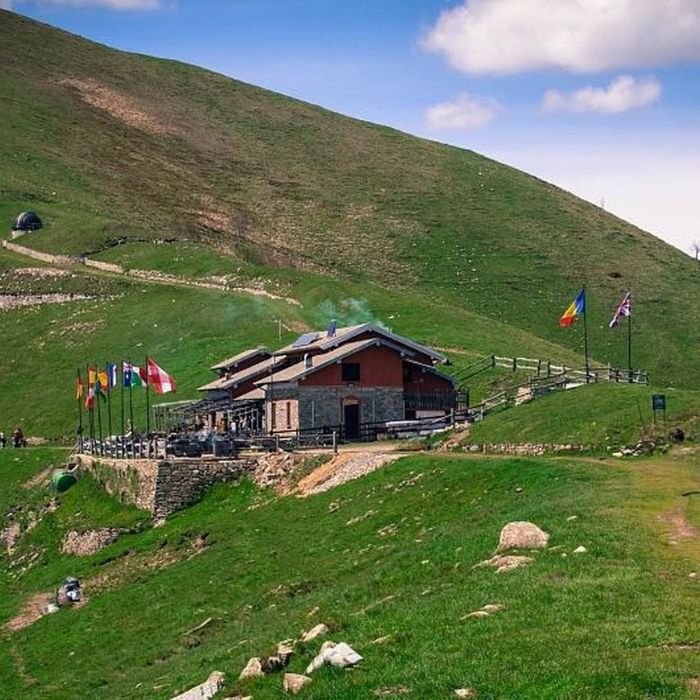
Overnight in a mountain hut (staffed)
- 30–40 L backpack for 2–3 days / 40–50 L for more than 3 days
- Sleeping bag liner
- Toiletry kit – check if showers are available (sometimes huts have no showers due to water scarcity)
- Technical towel, soap, wet wipes
- Toothbrush and toothpaste
- Small amounts of toiletries (cream, deodorant, etc.)
- Spare clothes (t-shirt, underwear, socks)
- Slippers (if not provided by the hut)
- Battery charger and/or power bank
Overnight in a bivouac or tent (unstaffed)
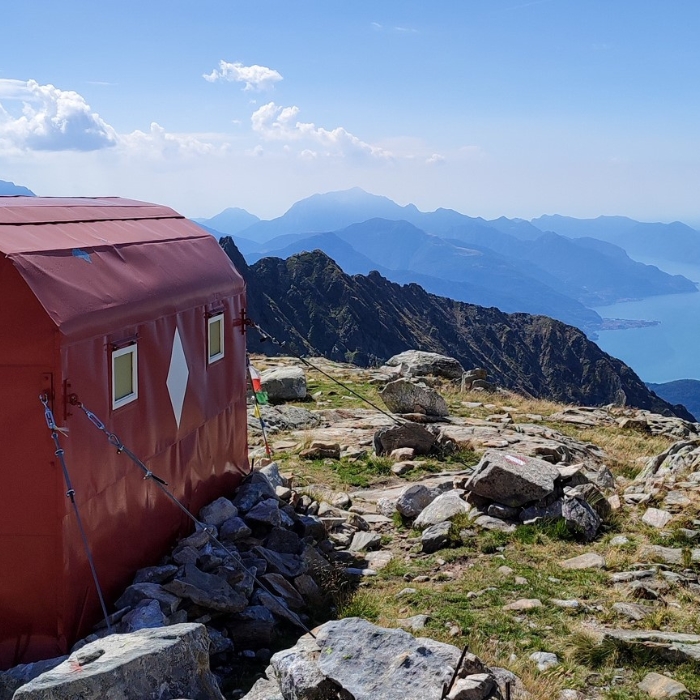
- 40–50 L backpack for 2–3 days / 50–60 L for more than 3 days
- Sleeping bag, inflatable pillow
- Toiletry kit (showers not available)
- Small technical towel, soap, wet wipes
- Toothbrush and toothpaste
- Small amounts of toiletries (cream, deodorant, etc.)
- Evening/night spare clothes (t-shirt, underwear, socks)
USEFUL INFORMATION
Do you need information?
The Mid-Mountain Guide always carries everything necessary and possesses all the knowledge required to avoid and resolve emergency situations in the best possible way.
If you have any questions, please do not hesitate to contact us.